

Trackday & Racing — Aftercare
What Happens After a Crash: Suit, Airbag, and Getting Back on Track
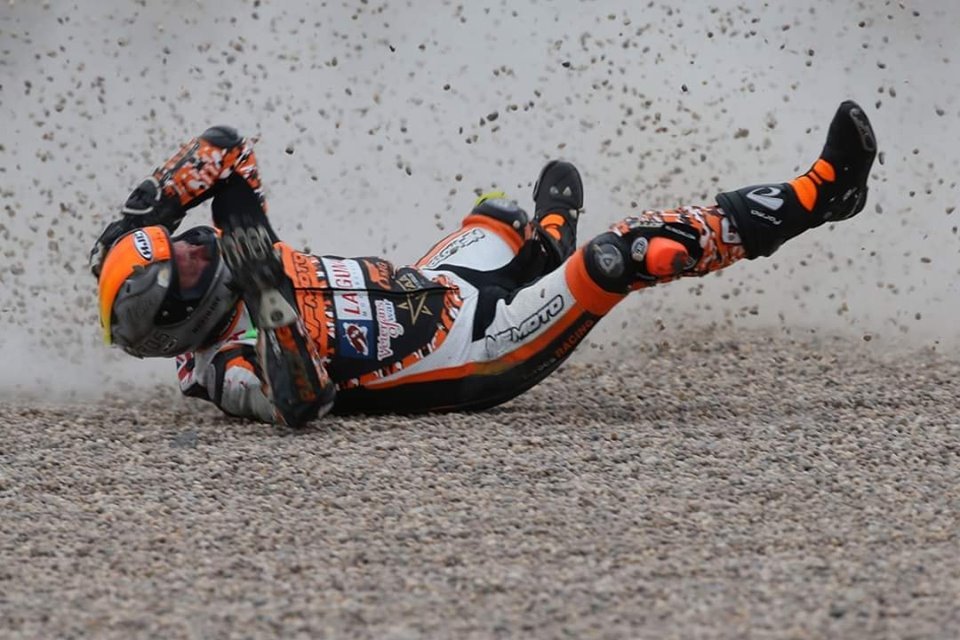
A crash is a normal, expected part of trackday and racing life, and knowing the practical steps afterward (checking your gear, handling an airbag deployment, what the organiser needs from you, and when it's actually sensible to get back out) makes the whole process considerably less stressful when it happens.
By NFmoto Technical Team · Last updated 25 July 2026 · 3 min read
Crashing is a normal part of pushing pace on track, and every experienced trackday rider or racer has been down at some point. Knowing the practical sequence of what happens next, rather than being caught out by it, makes the whole experience considerably less stressful, and helps make sensible decisions in the moments and days that follow.
Immediately After: What the Organiser Needs
Every UK and European trackday organiser has a standard incident procedure, and marshals or medical staff will typically check on a rider directly after a get-off, red-flagging the session if needed. Most organisers require an incident report to be completed before a rider is allowed back on track, even for a minor, no-injury crash. This is standard practice, not a sign of anything being treated more seriously than it needs to be, and cooperating with it straightforwardly is the quickest way back to riding. If unhurt and the bike is rideable, sessions can often continue the same day once cleared; if there's any doubt about injury, getting checked by on-site medical staff before making that call is the sensible default.
Most organisers require an incident report even for a minor, no-injury crash. This is standard practice, not a sign anything's being treated more seriously than it needs to be.
Assessing the Suit
A visual check on site gives a first impression, but a proper assessment of whether a suit is still usable needs a closer look than can be done trackside. Surface abrasion, localised seam damage, and shifted armour are often repairable; damage that's compromised the leather's structural integrity across a wide area is a different situation. Rather than guessing, our dedicated Crash Repair page covers exactly how NFmoto assesses and repairs (or, where genuinely necessary, rebuilds) a suit after a crash, including realistic timelines and costs once the actual damage has been properly inspected.
If You're Running an Airbag System
A deployed airbag needs its own specific attention, separate from the suit itself. Tethered systems like Helite typically need a straightforward CO2 cartridge replacement to reset, which can often be done quickly by the rider or a local service point. Electronic vest systems generally require sending the unit back to the manufacturer for the airbag to be repacked, a process that can take considerably longer. See our complete guide to airbag systems for the detail on how this differs by system type.
Whichever system is fitted, don't assume it's automatically ready to go again just because the vest looks intact. Getting it properly inspected or serviced before the next session is the sensible approach, regardless of which brand or type of system is involved.
Don't assume your airbag is ready to go again just because it looks intact. Get it properly inspected or serviced before the next session.
Checking the Bike
Beyond the obvious cosmetic damage, a bike that's been down needs a proper mechanical check before it's ridden again. Levers, bars, and footpegs can be bent in ways that aren't immediately obvious, and a thorough check (or a professional inspection, if there's any doubt) is worth the time before getting back out, whether that's later the same day or after taking it home.
What needs checking?
Getting Back On Track
There's no single right answer for how soon to get back on track after a crash, and it varies genuinely by rider, by the specifics of what happened, and by how the rest of the day or season is shaping up. Some riders prefer to get back out the same day once cleared, on the basis that it helps rebuild confidence quickly; others prefer to take the rest of the day to process what happened and come back fresh another time. Neither approach is wrong, and there's no pressure to push through faster than feels right. A trackday or race weekend is meant to be enjoyable, and riding within a comfort level that's actually comfortable is a completely reasonable choice regardless of what pace others around might be pushing.
Common Questions
Do I have to report a crash to the organiser even if I'm unhurt?
Can I get my suit repaired after a crash?
Is crash damage covered by warranty?
What do I do if my airbag deploys?
Should I check my bike before riding it again?
How soon should I get back on track after a crash?
Continue Reading
Had a Crash? Get an Honest Assessment
Send us photos and we'll give you a realistic first read on your suit.